Picking the right anti-reflective coating for your glasses really makes a difference in how clearly you see. This little layer helps cut down on glare, making your day-to-day experience way more comfortable—no more squinting or struggling under bright lights. Honestly, choosing the wrong one can be pretty frustrating, so it’s worth taking a moment to pick wisely.
Think about your lifestyle for a second. Do you spend a lot of time staring at screens? If yes, then a good anti-reflective coating can actually help reduce eye strain and keep you comfortable all day. Places like LensCrafters have quite a few options, and each one has its perks—some are scratch-resistant, while others repel water and dust. It’s all about what works best for you.
Also, consider what you do on a typical day. If you’re out on the road at night a lot, glare from headlights can really mess with your vision. A proper coating will make those drives way easier. Oh, and don’t forget to think about your budget—higher-quality coatings might cost more, but they make a noticeable difference in clarity. So, weigh your needs and your wallet before making a call. Ultimately, a good anti-reflective coating can really level up your glasses game, so it’s worth investing a bit of time into finding the right one.

Understanding Anti-Reflective Coating: A Comprehensive Overview
Choosing the right anti-reflective coating for your glasses can be challenging. Understanding its core benefits is essential. An anti-reflective coating reduces glare. It enhances clarity, especially when using digital devices. For individuals who work long hours on screens, this feature is crucial.
Different types of anti-reflective coatings offer various benefits. Some have added scratch resistance, while others focus on smudge repellence. You might notice a slight haze with some cheaper options. Such imperfections can affect your vision. It's vital to weigh these aspects. A coating that performs well can also enhance the overall aesthetic of your glasses.
Yet, you might find that some coatings wear off faster than advertised. This often leads to frustration and additional costs for replacements. Maintenance can be another concern. Regular cleaning is essential to keep your lenses in optimal condition. Evaluating the balance between durability and performance is key. Choose wisely to ensure your glasses serve you well over time.
Types of Anti-Reflective Coatings Available for Eyeglasses
When selecting an anti-reflective coating for glasses, understanding the available types is crucial. There are several options tailored to different needs.
Standard coatings reduce glare and enhance clarity.
Premium coatings often add resistance to scratches and smudges.
Photochromic coatings adapt to light changes, providing versatility for varying environments.
A 2021 report by the Optical Coating Institute highlighted that over 70% of eyewear users prefer some form of anti-reflective coating. Without it, visual comfort can decrease.
No Anti Reflective Coating can result in distractions from reflections.
Consider your lifestyle when choosing. If you spend time driving, a robust coating helps reduce glare from oncoming headlights.
Tips: Always inquire about the longevity of the coating. Some wear off faster than others. Additionally, be aware that not all coatings are created equally. Research product reviews to understand customer satisfaction.
Sometimes, the cheaper option may not provide the best performance. Make an informed decision based on your daily visual needs, ensuring the coating aligns with your lifestyle.
Key Factors to Consider When Choosing an Anti-Reflective Coating
When selecting an anti-reflective coating for your glasses, consider your lifestyle. Some coatings provide excellent clarity in various lighting conditions. Others may be more suitable for specific activities, like outdoor sports or digital screens. Take your time to evaluate what matters most to you. The right choice enhances both functionality and comfort.
Next, examine the durability of the coating. Some options resist scratches and smudges better than others. While you may prefer a thinner coating for aesthetics, it might wear out quicker. Think about how often you clean your glasses. If you’re frequently wiping them down, opt for a more robust solution. A balanced approach is essential.
Lastly, consider the price point and warranty. Many coatings may look similar but differ significantly in quality. Reading user reviews can provide valuable insights. However, remember that not every high-rated product suits all. Each lens user has unique needs. This can lead to some trial and error.
Sometimes, the best choice might not be the
"Top Anti Reflective Coating",
but rather what fits your individual requirements. Reflect on these aspects to find your ideal coating.
Benefits of Anti-Reflective Coatings for Eyewear
Anti-reflective coatings offer significant benefits for eyewear. They reduce glare, improving vision in bright environments. Many users report less eye strain when wearing glasses with this coating. Whether driving at night or working on digital screens, the glare can be distracting. A good anti-reflective coating can make a noticeable difference.
Another advantage is aesthetics. Coated lenses do not reflect light as much, making them appear almost invisible. This enhances the look of the glasses, allowing the wearer’s eyes to be more visible. It’s essential for tasks like video calls, where eye contact is crucial. However, not all coatings are the same. You might notice some wear and tear over time. Choosing the right one requires careful thought.
Interestingly, many people overlook the maintenance aspect. Anti-reflective coatings can smudge easily. Dust and fingerprints can be more noticeable on these coatings. Users may find themselves cleaning their glasses more often. It’s a small inconvenience but worth considering for clarity and comfort. Weighing these factors helps in selecting the perfect coating for you.
Benefits of Anti-Reflective Coatings for Eyewear
Evaluating the Durability and Maintenance of Coatings
When selecting an anti-reflective coating for glasses, durability and maintenance are key considerations. Reports indicate that coatings can last anywhere from one to three years, depending on usage and care. Some coatings resist scratches well, while others may show wear sooner than expected. Users should choose coatings that provide a balance between clarity and resilience.
Maintenance plays a critical role in the lifespan of the coating. Regular cleaning with a microfiber cloth can enhance longevity. However, harsh chemicals can degrade the coating. Experts recommend avoiding ammonia-based cleaners, which can shorten the lifespan of some coatings.
Additionally, coatings that repel water and dust tend to be easier to maintain. These special treatments help keep lenses clear of smudges and debris. However, not all coatings offer this functionality. It's important to evaluate whether maintenance demands align with one's lifestyle. Choosing the right coating involves understanding potential drawbacks and individual needs.
Cost Considerations for Different Anti-Reflective Options
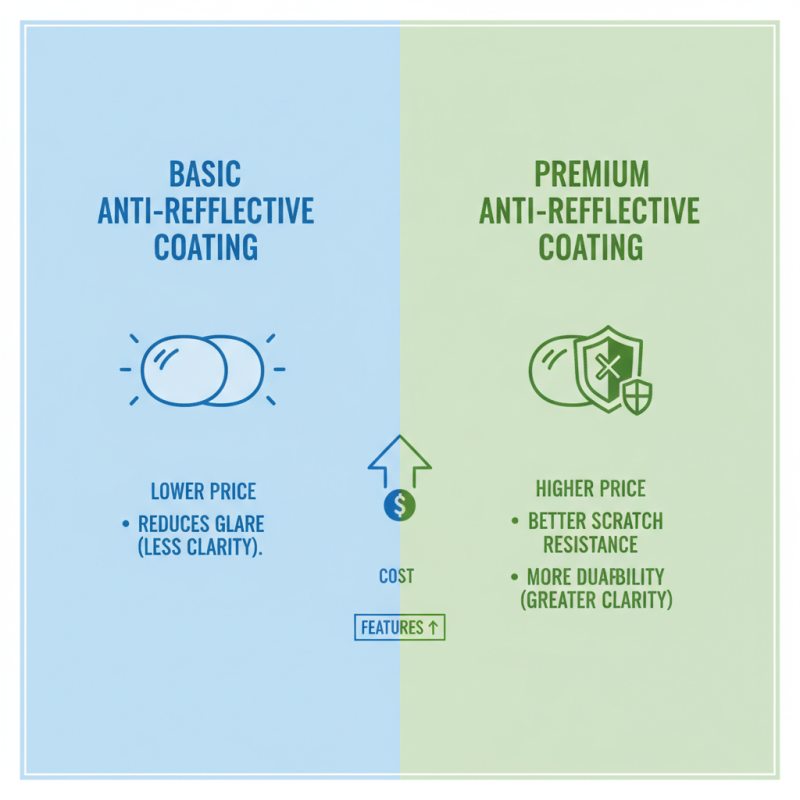
When choosing an anti-reflective coating for glasses, cost can vary widely. Basic coatings often come at a lower price. These coatings reduce glare but may not offer the best clarity. Premium anti-reflective options often have a higher initial cost but provide advanced features. These can include better scratch resistance and more durability.
Tips: Consider your lifestyle when deciding. If you spend a lot of time outdoors, invest in higher-quality coatings. They enhance vision clarity and reduce eye strain significantly. Not all coatings are equal; some may wear out quickly under heavy use. Anti Reflective Coating Uses extend beyond just vision correction. They improve aesthetics, making lenses look nearly invisible.
Another factor is maintenance costs. Cheaper coatings might not last as long. This could lead to additional costs down the road. Some users find the cheaper options require frequent replacements, leading to frustration. Balancing initial costs with long-term value is crucial. Analyze your daily habits to find the best fit for your needs.
Tips for Consulting with an Eye Care Professional on Coatings
Choosing the right anti-reflective coating for your glasses can significantly impact your vision. Consulting with an eye care professional is essential in this process. They can provide insights based on your lifestyle and specific visual needs.
When discussing coatings, consider factors like your daily activities. For example, if you spend a lot of time in front of screens, a coating that reduces glare could enhance your comfort. Research indicates that nearly 70% of people experience digital eye strain. This makes selecting the appropriate coating even more critical. Ask your eye care professional about coatings that help with screen-related issues.
Another tip is to inquire about the durability of different coatings. Some options can be more susceptible to scratches or smudges. A longer-lasting, easier-to-clean coating might save time in maintenance. Also, take note that personal preferences vary widely. Some may prioritize aesthetics, while others focus on function. Reflect on what aspects matter most to you in your daily life.
Innovative Applications and Benefits of Low Iron Tempered Glass for LED Lighting Solutions
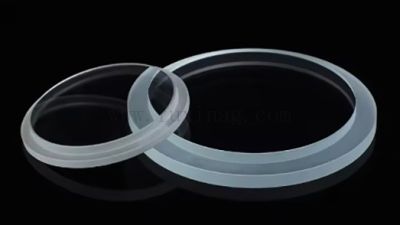
The innovative use of low iron tempered glass in LED lighting solutions heralds a transformative leap in the industry. This specialized glass, with its 3-5mm thickness, not only boasts exceptional light transmission but also minimizes the green tint often associated with standard glass. Reports indicate that glass used in LED applications can significantly enhance the luminance of environments, while also maintaining safety and durability through step-tempering. This unique process allows the glass to withstand high thermal stress, making it an ideal choice for various lighting applications, from commercial setups to high-end architectural designs.
By applying anti-glare (AG), anti-reflection (AR), or anti-fingerprint (AF) coatings, manufacturers can further elevate the performance of low iron tempered glass. According to industry studies, the integration of anti-reflective coatings can increase light transmission efficiency by over 5%, allowing for brighter and more energy-efficient lighting solutions. Additionally, custom silk-screen printing can be incorporated into the design, providing both aesthetic and functional benefits suitable for diverse applications. Durable yet visually clear, low iron tempered glass is paving the way for enhanced lighting experiences in modern spaces, setting new standards for performance and design in the LED lighting sector.
FAQS
: The product aims to enhance daily convenience. It helps streamline tasks, making life simpler.
Follow the included instructions carefully. Take your time to familiarize yourself with the features.
Yes, regular cleaning is advisable. Ensure parts are not damaged to keep it functioning well.
Yes, it is designed for versatility. However, it might not excel in every task equally.
Refer to the troubleshooting guide. If problems persist, consider reaching out for assistance.
Basic safety measures should be followed. Always supervise children if they are nearby.
Lifespan may vary based on usage. Regular care can extend its functionality.
It is suitable for everyday use. Heavy-duty tasks may require a different solution.
A warranty might be included. Check the specifics to understand what is covered.
Consider your needs carefully. Think about whether this product aligns with your lifestyle.
Conclusion
Choosing the best Anti-Reflective Coating for glasses involves understanding the different types of coatings available and their specific benefits. Anti-Reflective Coatings significantly enhance visual clarity by reducing glare from light sources, making them essential for anyone spending extended time in front of screens or driving. When selecting a coating, one should consider factors such as the coating's durability, maintenance needs, and cost implications.
In addition, it’s crucial to evaluate how well the coating can withstand daily wear and tear and whether it requires special cleaning procedures. Consulting with an eye care professional can provide personalized insights and recommendations, ensuring that you make the best choice for your eyewear needs. Overall, investing in a high-quality Anti-Reflective Coating can greatly improve your visual experience and comfort.